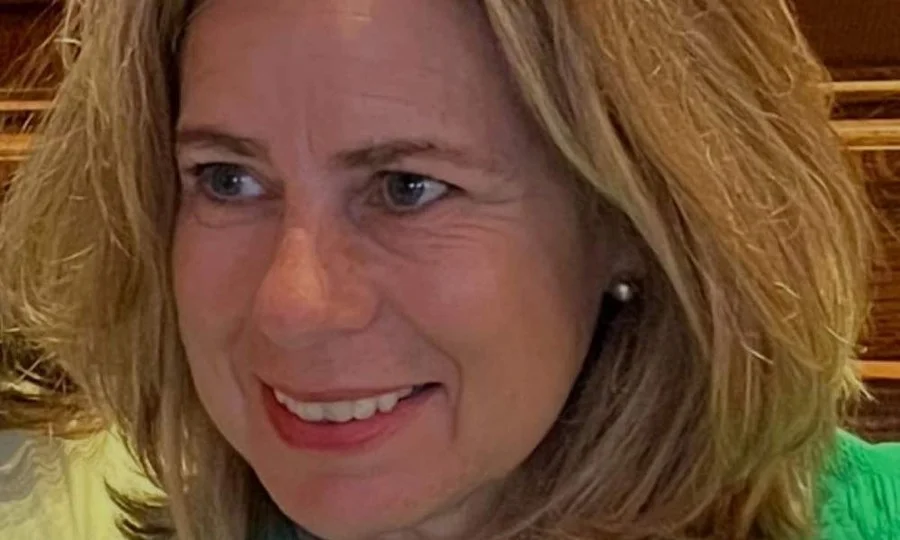
A survivor of the recent Bedford rail crash has voiced significant concerns about the fundamental fitness of the UK’s railway infrastructure. Melanie Ross sustained a broken leg and other severe injuries during the collision on June 19 near Elstow, Bedford. She believes the country’s railways “don’t appear fit for purpose” following the incident and other derailments this summer.
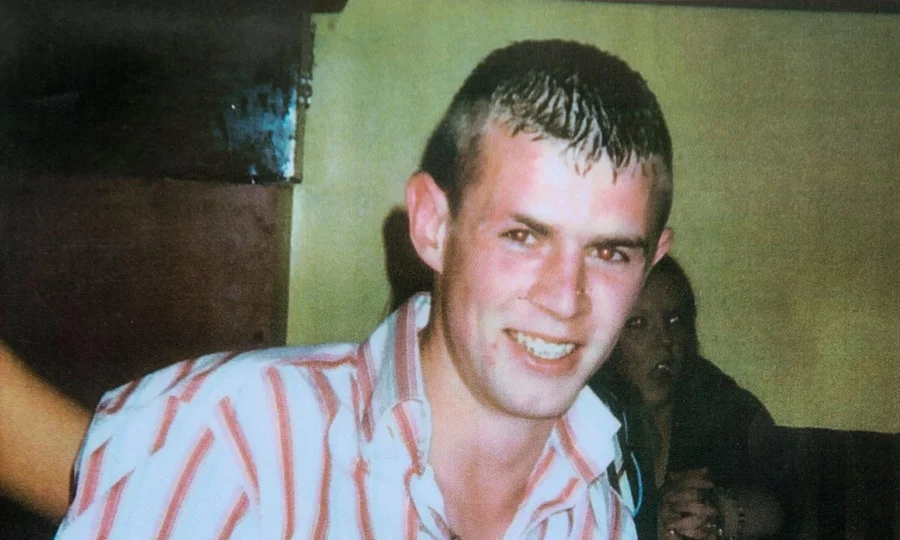
Ms. Ross was a passenger on a stationary East Midlands Railways (EMR) train when another train, operated by the same company, collided with it. Shaun Burton, the 60-year-old driver of the moving train, tragically died in the crash. More than 160 individuals also suffered injuries.
The retired solicitor, aged 60, has not returned to train travel since the incident. She remains uncertain when she will feel able to do so again. Moreover, Ms. Ross highlighted concerns about a perceived lack of investment in the network, citing additional derailments during recent heatwaves. This suggests, to her, an infrastructure struggling to cope.
Recalling the crash, Ms. Ross described a sudden, loud bang and the train’s immediate halt. She initially feared a bomb had detonated. The impact shifted the seating, crushing her in place. Upon attempting to stand, she immediately felt pain and realised her leg was broken.
The front carriage, where Ms. Ross was seated, saw many people seriously injured. She described the immediate aftermath as “complete carnage,” with the train appearing to have “imploded.” Despite her own severe injuries, Ms. Ross considers herself fortunate compared to others who were more critically hurt.
An initial report from the Rail Accident Investigation Branch (RAIB) indicates the moving train’s driver, Mr. Burton, passed a red signal moments before the collision. Data analysis shows the train was travelling at 76mph when brakes were applied, reducing speed to approximately 50mph at impact. Meanwhile, the stationary train had halted unexpectedly after a fault with its automatic warning system (AWS) caused its brakes to deploy, subsequently changing the signal behind it to red.
Ms. Ross finds the preliminary findings concerning, questioning how an AWS fault could trigger braking on a green signal, and how a second train then passed a red signal without an override system. She insists that any recommendations from the ongoing investigation must be thoroughly implemented. This action is crucial to ensure rail travel is as safe as possible for all passengers.
Paul McClorry, a solicitor representing Ms. Ross and other victims, seeks compensation from EMR and Network Rail. He stresses the final RAIB report must detail not only the cause of the **Bedford rail crash** but also the necessary changes to prevent future occurrences. “Incidents like this should simply not be able to happen,” he stated. Both EMR and Network Rail have expressed their condolences and commitment to cooperating fully with the investigation.