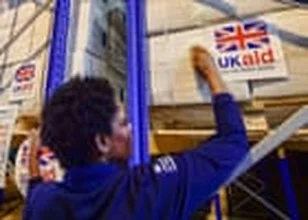
Plans for dramatic UK aid budget cuts have ignited significant controversy. Several organisations and charities warn these proposed reductions could severely damage Britain’s global credibility. Furthermore, they believe the UK would be unable to cover its existing contributions to the United Nations and the World Bank.
A leading Conservative figure recently announced intentions to slash the annual aid budget. This reduction would see it fall from £9 billion to just £1 billion. The primary goal is to help fund 50,000 new prison places across England and Wales. Moreover, a £1 billion cut to the culture budget would also support these plans.
Overseas aid has become a frequent target for political parties in recent years. The current government previously reduced aid from 0.5% of GDP to 0.3% by 2027. Another major party had also proposed capping aid at £1 billion annually, approximately 0.03% of GDP. This latest Conservative proposal mirrors that policy.
However, experts with knowledge of the UK’s global commitments deem the plan impractical. One source labelled the move as mere ‘posturing’. They explained that about 70% of the proposed £1 billion budget would be consumed by funding British diplomats worldwide. Therefore, very little would remain for actual aid efforts.
Indeed, a source commented that any government would soon realise £1 billion is insufficient for basic operations. This makes the policy both morally questionable and disingenuous, they suggested. Multilateral overseas aid totalled £2.8 billion in 2024, representing the most recent complete figures. Current commitments to key global bodies exceed £1.6 billion each year.
These commitments include the UN, the World Bank’s International Development Association, the Gavi vaccine alliance, and the Global Fund to Fight Aids, Tuberculosis, and Malaria. Cutting these immediately is almost impossible. Most agreements are made years in advance and span several years. Consequently, even a £1 billion total would leave no funds for new humanitarian crises, such as glacial floods or emerging pandemics.
Gideon Rabinowitz, policy director at Bond, a key development NGO group, criticised the £1 billion limit. He stated it would cause the UK to ‘shoot itself in the foot’. Britain would effectively renounce its influential position on the global stage. ‘We cannot influence global policy without paying our dues,’ Rabinowitz asserted.
He further warned of multiplying extreme natural disasters. Without a global response role, displacement of people will increase, creating challenges for neighbouring regions and the UK itself. This decision, he concluded, would ‘irreparably damage’ the UK’s reputation. Ultimately, it would leave the nation more isolated when international cooperation is vital.
Monica Harding, the Liberal Democrats’ international development spokesperson, condemned the Conservatives. She accused them of making the world’s poorest pay for prison places. ‘Britain should lead, not retreat,’ she declared. She described the move as ‘desperate,’ driven by a desire to attract voters rather than serve long-term British interests. Harding concluded, ‘It would diminish Britain – it is un-British, unpatriotic, and unwise.’