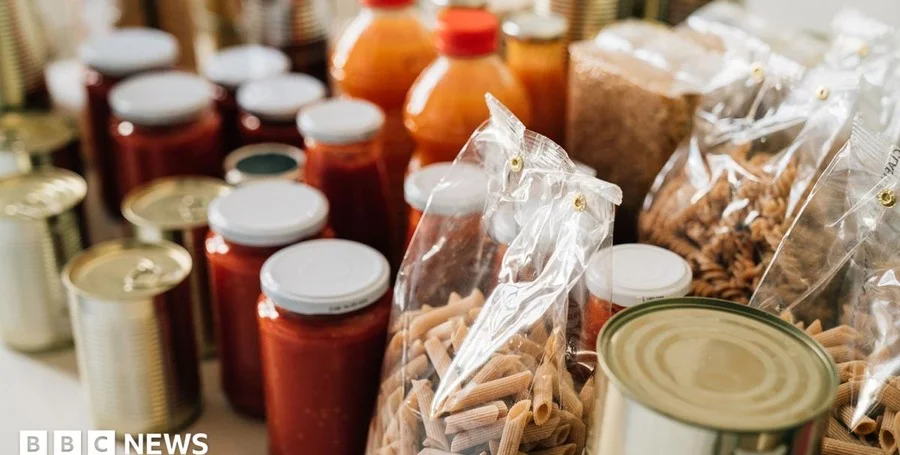
British families should boost their emergency food preparedness for potential extreme weather events, a government minister has stated. This recommendation arrives as the most powerful El Niño phenomenon in a generation gathers strength over the Pacific Ocean.
Environment Secretary Dame Angela Eagle highlighted the powerful natural climate pattern. She warned it will bring “more extreme storms in this country.” She also predicted drier summers and wetter winters for the UK.
Meanwhile, the National Audit Office (NAO) has issued its own warnings. Britain’s food supply chain faces significant risks. These include the growing threat of cyber-attacks and the broader climate crisis.
The NAO report criticised the government’s approach. It found ministers rely too heavily on the private sector to manage disruptions to food supply. Furthermore, the Department for Food, the Environment and Rural Affairs (Defra) has not sufficiently improved supply chain resilience in recent years.
Dame Angela emphasised the seriousness of the situation. “We’re about to experience probably the largest El Niño that has ever been seen,” she explained. This will cause substantial damage in Asia through flooding, necessitating serious attention here.
Households with a small store of food can manage for a while. This can provide crucial time before emergency services can reach them, she added. Therefore, such preparation contributes to overall resilience.
The NAO’s report underscored the vulnerability of the UK food supply chain. It cited threats like plant or human disease outbreaks, cyber-attacks, and extreme weather. Climate change presents a chronic, long-term risk to the nation’s food security.
Such disruptions could drive up food prices. Consequently, vulnerable individuals might struggle to afford essential items. The NAO noted that UK households are less prepared for emergencies than those in countries like Finland, Sweden, and other EU nations.
Ministers should actively encourage families to prepare for supply chain disruptions and consider emergency food preparedness, the report advised. Learning from approaches taken by other countries would be beneficial.
A government strategy on preparing for national emergencies is forthcoming. It will be unveiled later this year, with specific household advice expected by the end of 2026. This aims to align the UK more closely with European standards for emergency readiness.
Phil Pluck, CEO of the Cold Chain Federation, also urged caution. He represents companies transporting temperature-controlled foods. Britain is “pretty close to crisis,” he warned on a recent broadcast.
He pointed to Russian cyber-hackers targeting the country. These actors exploit “pinch points in the food supply system,” he stated. Moreover, El Niño, global shipping issues, and potential pandemics mean relying solely on the private sector is insufficient. Mr. Pluck echoed the call for sensible stocking in every household.
Defra acknowledged the report’s findings. A spokesperson stated that food supply risks are becoming more complex. The government is working with farmers and industry to strengthen the UK’s resilience. Officials will carefully consider the recommendations to build a more productive and sustainable food system.